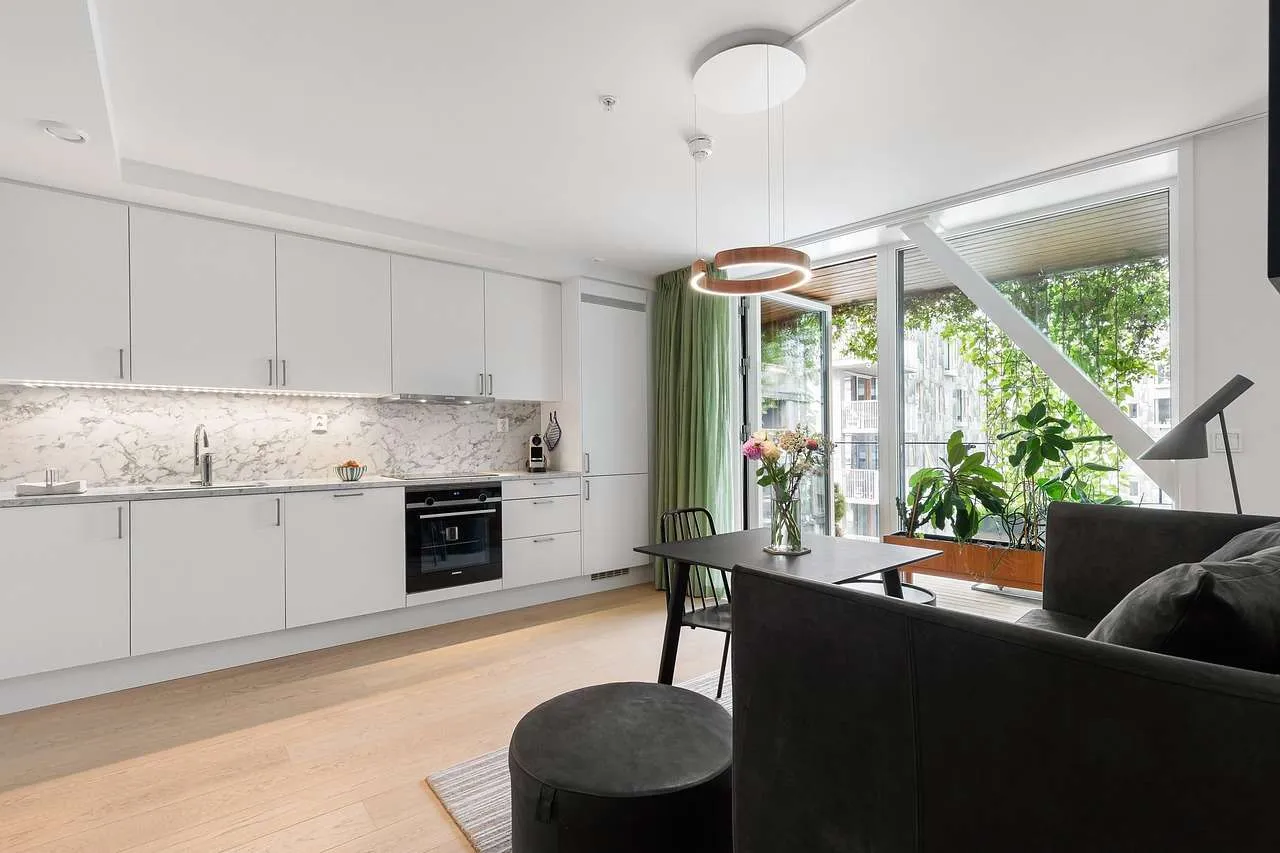
Home window tinting is a practical upgrade that can transform a house by improving comfort, cutting energy costs, and safeguarding interiors. With a range of film types and installation options, homeowners can tailor a solution that preserves daylight while reducing heat, glare, and fading. This article explains how window tint works, the materials available, and how to choose the right tint for your home.
What is home window tinting?
Home window tinting involves applying a thin film to the interior or exterior of glass surfaces. The film filters light, absorbs infrared energy, and can reflect or absorb heat. These films are engineered with different technologies—dyed dyes, metalized particles, carbon, or ceramic nanoparticles—each offering varying levels of heat rejection, UV protection, and durability. The goal is to improve energy efficiency, increase comfort, and maintain a pleasant view with controlled daylight.
Benefits of home window tinting
- Energy efficiency and comfort: Reduces heat gain in warm months and heat loss in cold months, stabilizing indoor temperatures.
- UV protection and interior preservation: Blocks up to 99% of UV rays, minimizing fading of furniture, flooring, and artwork.
- Privacy and glare reduction: Improves visibility from inside and reduces daytime glare without completely darkening rooms.
- Safety and security: Films can hold shattered glass together, offering a layer of protection during impacts or break-ins.
- Aesthetics and home value: A consistent, modern look can elevate curb appeal and resale value.
Types of window tint films
Dyed films
Dyed films are affordable and effective for reducing glare and providing privacy. They offer moderate heat rejection and can darken rooms, but they may be prone to fading over time and do not perform as strongly in infrared heat rejection as other technologies.
Metalized (reflective) films
Metalized films use metallic particles to reflect heat and provide excellent heat rejection and glare control. They can interfere with certain electronics and may appear mirrored from the outside, which some homeowners like for privacy. Durability is high, but professional installation is often advised to prevent edge effects.
Ceramic films
Ceramic films are high-performance options that deliver superior heat rejection, excellent UV protection, and minimal interference with electronics. They remain non-conductive, resist color change, and maintain a clearer appearance, though typically at a higher cost.
Carbon films
Carbon films balance heat rejection with a neutral appearance and good durability. They reduce glare effectively and are less prone to fingerprint-like issues on the film surface than some dyed variants.
Nano-ceramic / advanced ceramic films
These are premium formulations that deliver top-tier heat rejection, UV protection, and minimal color change. They maintain daylight transmission well and are resistant to scratching, with the longest potential lifespan but higher upfront costs.
Choosing the right tint for your home
Selecting a tint depends on several factors. Consider the
- Visible Light Transmission (VLT): Higher VLT lets in more natural light; lower VLT offers more privacy but less daylight.
- Heat rejection and UV protection: If reducing cooling loads is a priority, prioritize high heat rejection and UV performance.
- Glare control: Some rooms benefit from stronger glare reduction, such as home offices or media rooms.
- Aesthetic and exterior appearance: Look for a film that matches your home’s style and local regulations.
- Warranty and installation quality: A reputable installer should offer substantial warranties and ensure proper surface preparation and sealing.
Note: In many regions, there are local laws and HOA guidelines limiting the darkness of front windows or specific reflective coatings. Always verify compliance before purchasing or installing tint.
Installation, maintenance, and care
Professional installation is strongly recommended to ensure bubble-free application, proper edge sealing, and long-term performance. DIY attempts can lead to poor adhesion, peeling, or water traps. After installation, avoid abrasive cleaners or ammonia-based products; use a soft microfiber cloth and a mild, non-ammonia cleaner to preserve the film over time.
Cost, ROI, and common questions
Prices vary by film type, window size, and local labor rates. Expect a typical residential installation to range from a few hundred to several thousand dollars, with premium ceramic and nano-ceramic films commanding higher prices. The return on investment comes from energy savings, extended furniture life, and improved comfort. Most films offer 10–15 years of performance with proper care, and many installers provide transferable warranties.
Common questions include whether tinting will darken rooms too much, if it affects natural light, or whether it will interfere with sensors and electronics. With modern films and proper selection, you can maintain daylighting while enhancing comfort and privacy.
Comparison of common tint types
| Type | UV Rejection | Heat Rejection | Glare Reduction | Durability | Typical Cost (per sq ft) |
|---|---|---|---|---|---|
| Dyed film | High | Medium | Moderate | Moderate | $2-$4 |
| Metalized film | High | High | High | High | $3-$6 |
| Ceramic film | High | Very High | High | Very High | $5-$8 |
| Carbon film | High | High | High | High | $4-$7 |
| Nano-ceramic film | Very High | Very High | Very High | Very High | $6-$10 |
How to choose a reputable installer
Start with licensed, insured professionals who provide written quotes, on-site measurements, and a clear explanation of materials and warranties. Ask for samples or a portfolio of completed installations, check customer reviews, and confirm the presence of third-party certifications or manufacturer endorsement. A trusted installer will offer a before/after assessment and explain post-install care and warranty terms.
Maintenance and long-term care
Routine cleaning uses a soft cloth and a non-ammonia cleaner. Avoid abrasive brushes and harsh solvents that can scratch or degrade the film. Periodic inspections help catch edge lifting or bubbling early, allowing timely repair or reinstallation if needed.
Conclusion, home window tinting presents a practical way to improve comfort, reduce energy use, and protect interiors while preserving daylight and views. By understanding film types, evaluating performance, and working with a qualified installer, homeowners can achieve lasting value and compliance with local rules.